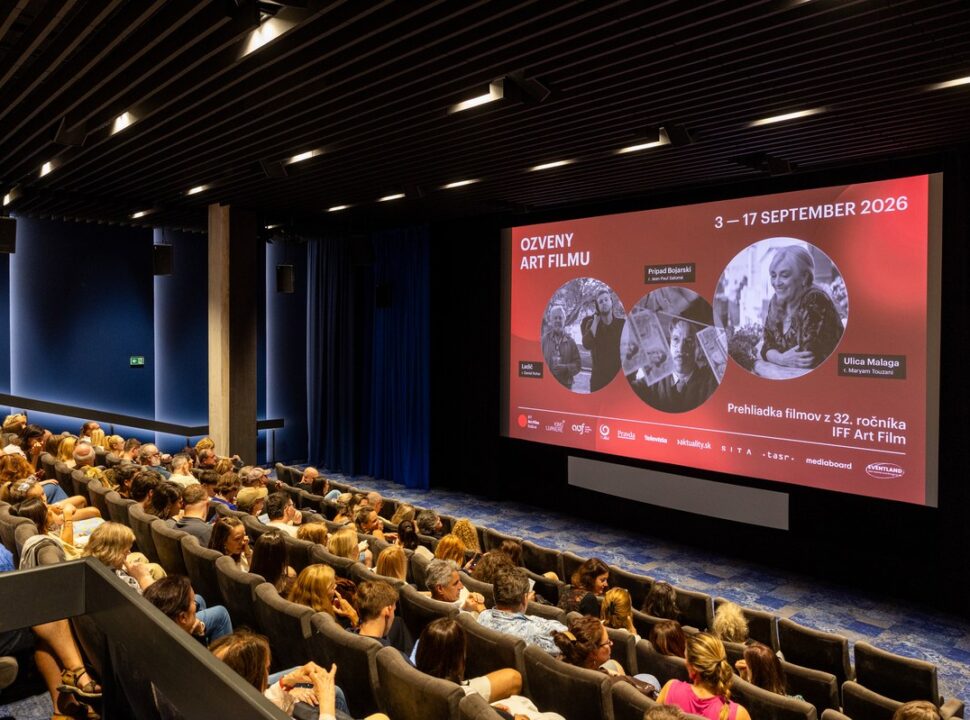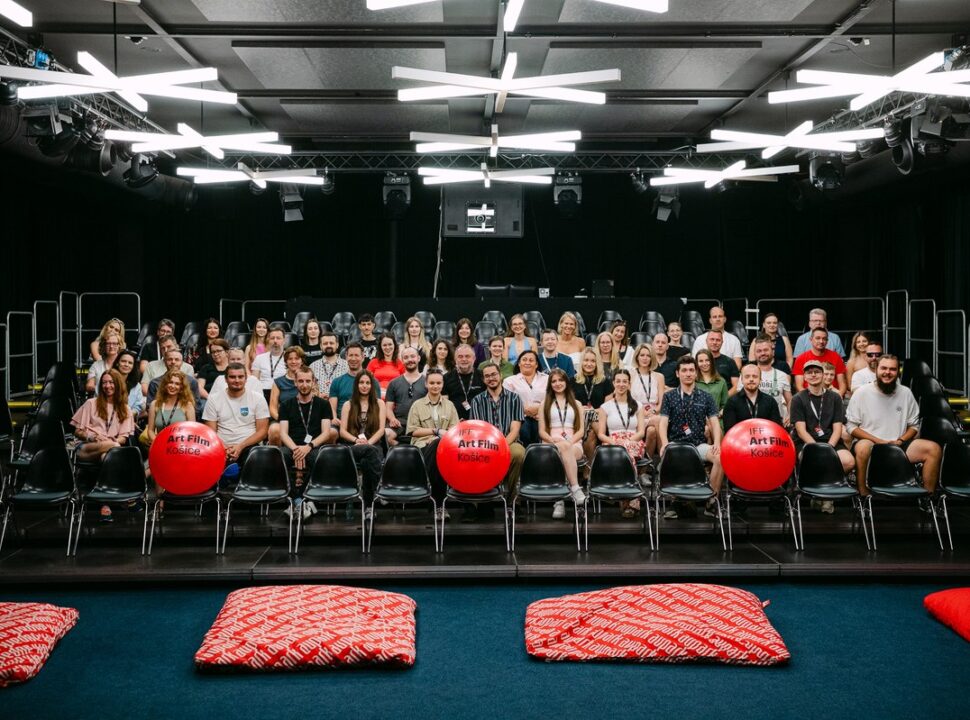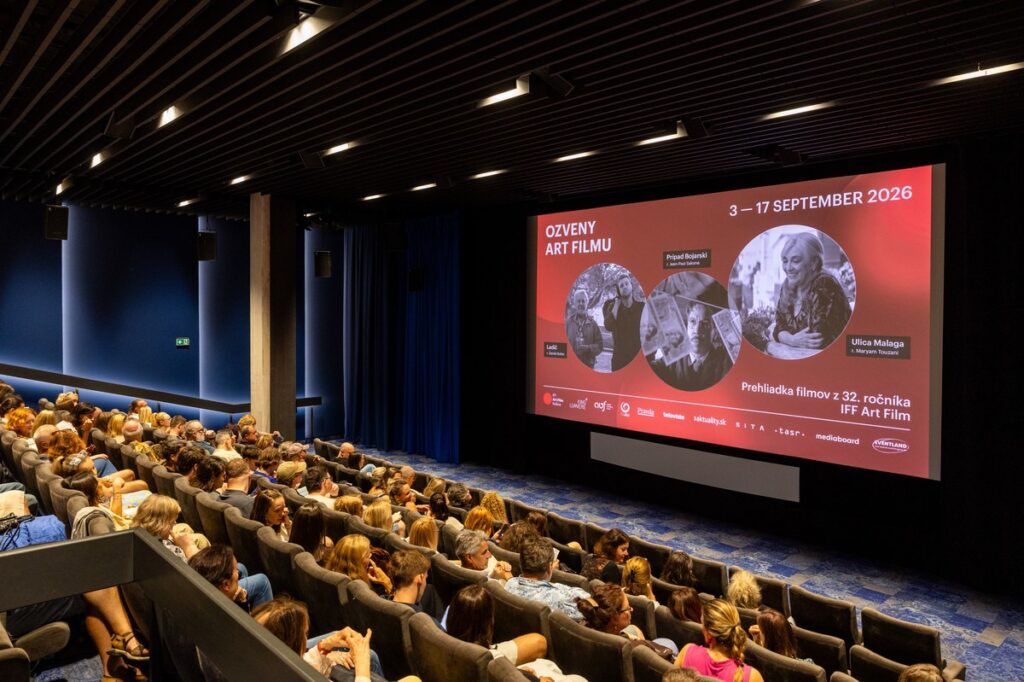

The 32nd International Film Festival IFF ART FILM Košice (19 – 25 June 2026) will present a brand-new programme section titled Oscar vs Blockbuster. Its concept is simple yet stimulating – for each participating country, the film selected as its official Oscar submission is placed side by side with the title that became the country’s biggest domestic box-office hit. The section thus opens the question of where the critical view of cinema today meets what actually draws audiences into theatres.
The Oscar vs Blockbuster section focuses on the fascinating and often overlooked gap between the films that academies and expert juries regard as the best, and those that actually find their way to a wide audience. For now, attention is centred on European cinema – and even there the message is twofold: contemporary European film offers both auteur works and titles with mass audience appeal.
Hungary: Orphan vs How Could I Live Without You?
Hungary is represented in the selection by Orphan (Árva), directed by László Nemes. A powerful dramatic statement set against the backdrop of post-war Budapest, the film follows the fate of a child searching for identity in a fractured society. Hungary officially submitted it to the 98th Academy Awards in the Best International Feature Film category, and the film world-premiered in the main competition of last year’s Venice Film Festival.
Standing opposite it is How Could I Live Without You? (Hogy Tudtam Volna Élni Nélküled?), directed by Dénes Orosz – a romantic, musically driven drama about two young people whose unexpected meeting gradually grows into a relationship marked by differences in life circumstances, family ties and personal insecurities. The film uses the well-known musical themes of Ferenc Demjén as the emotional frame for a story that traces the relationship’s development over time. Its success rests on the strong emotional identification of audiences with its characters – it broke a record more than 40 years old and became the most-watched Hungarian film with over a million tickets sold.
Belgium: Young Mothers vs Gangstas
Belgium is represented by Young Mothers by the brothers Jean-Pierre and Luc Dardenne – a realistic and socially urgent look at the lives of young mothers in a disadvantaged environment. The film works with the directors’ trademark documentary precision and focuses on the everyday struggle for dignity and the future of children. Last year in Cannes it won the Best Screenplay Award and the Prize of the Ecumenical Jury, and Belgium subsequently chose it as its official submission to the 98th Academy Awards in the Best International Feature Film category.
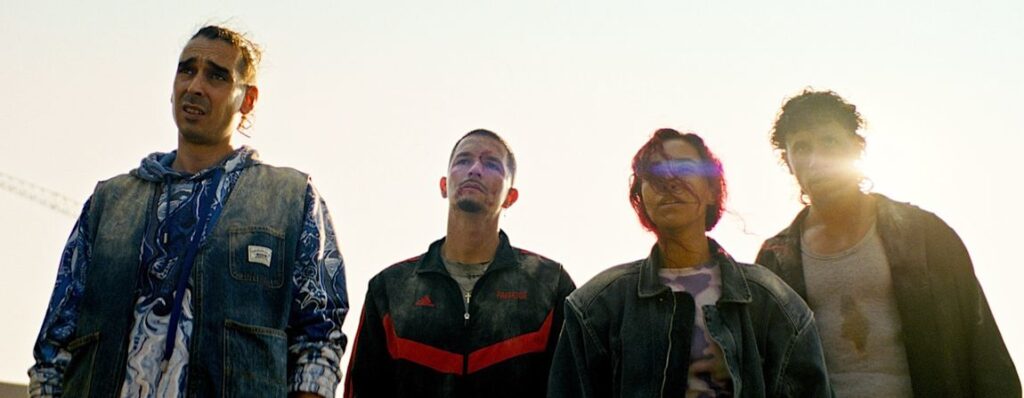
In contrast stands Gangstas by Adil El Arbi and Bilall Fallah, a dynamic and genre-accessible film from the world of young urban rebels that combines a crime storyline with drama and humour. It was precisely the energy and audience appeal of the film that made it the most successful title in Belgian cinemas. The directing duo has in the meantime also established itself in Hollywood – they are behind the latest two instalments of the Bad Boys franchise.
Finland: one film, both lines at once
Finland is represented in this section by 100 Liters of Gold (100 litraa sahtia), directed by Teemu Nikki, a film that is exceptional in that it bridges both lines at once – Finland officially submitted it to the 98th Academy Awards in the Best International Feature Film category, and at the same time it became one of the most-watched films of the year in the country. This original mix of black comedy and social satire follows two sisters obsessed with traditional Finnish sahti, who must catch up with their own consumption in record time before their third sister’s wedding. The film won audiences over with its humour as well as with its sharp, ironic commentary on social inequality.
Two measures of success, one screen
The Oscar vs Blockbuster section offers a unique opportunity to look at European cinema through two distinct lenses – the critical and the popular. It also raises the question of whether the true measure of success is a film award, theatrical attendance, or the ability to bring both planes together in a single work.
The full programme of the 32nd IFF ART FILM Košice, including screening times, will be announced in the first half of June at aff.cinepass.sk.
The 32nd IFF ART FILM is made possible thanks to the support of:
Main organizer: ART FILM FEST s.r.o.
Co-organizers: Mesto Košice, K13 – Košické kultúrne centrá, Visit Košice, ART FILM FEST, n.o.
With the financial support of: Audiovizuálny fond
The project was co-financed by the Košice Self-governing Region from the Terra Incognita program
Main partners: CODES Brand House, H2O FUND SICAV
Automotive partner: AUTO-VALAS
Official hotel: Hotel Yasmin
Main media partners: TV JOJ, Pravda, Eurotelevízia
Sponsors: U. S. Steel Košice, ANTIK Telecom, Kino Úsmev, LOKO TRANS Media, CORE Labs, Technická univerzita v Košiciach
Technological partners: NOV, ZEBRA, Deutsche Telekom Systems Solutions Slovakia, DELTA OnLine, ARICOMA
Official suppliers: DKC Veritas, PLOOM, DOMOS SLOVAKIA, Reštaurácia Contessa, Natura, Kinley, Julius Meinl
Media partners: JOJ play, JOJ 24, Film Europe Media Company, Rádio KOŠICE, Aktuality.sk, Forbes, Startitup.sk, Korzár, Slovenka, SITA, TASR, Mediaboard, AHOJ TV, See & Go, Česko-Slovenská filmová databáze – ČSFD, Filmsk.sk, BigMedia, Kino Sterio, Košice City Guide, Košice V Skratke, MOJAkultura.sk, diva.sk, koktejl.sk, zenskyweb.sk
Partners: JOJ Cinema, Jojko, DDDental, CK TUI ReiseCenter Slovensko, Taper, ECO Technologies, Letisko Košice, Rent2Eat, CPK Transport, iWish.sk, Kvety Garomi, Hair Factory Košice, MIHYRING
Gastronomic partners: Pub u Kohúta, OhniskO Fire Dining & Brew Bar, MAIKO SUSHI, Kaviareň Slávia, El Nacional, Tabačka Kulturfabrik, Casa Trade – Casablanca cafe